
Costa Rica Fishing Charter for Beginners Made Easy

A Costa Rica fishing charter for beginners should feel like a vacation highlight, not a test of your fishing knowledge. From the moment you leave the south end of Samara Beach, the goal is simple: enjoy the Pacific, learn from a local crew, and have a real chance at a fish worth talking about long after your trip ends.
You do not need to know how to cast perfectly, tie knots, or recognize every species before stepping aboard. A private charter gives your group the space to ask questions, take breaks, and fish at a pace that works for everyone. The captain and crew handle the boat, the equipment, and the local knowledge. Your job is to show up ready for an adventure.
Choose the Right Costa Rica Fishing Charter for Beginners
Your first decision is not which lure to use. It is how much time you want on the water. Around Samara, conditions, target species, and your group’s comfort level all play a part in choosing the right trip.
A half-day charter is a great fit for families with younger kids, couples with a busy vacation schedule, or anyone who wants to try sport fishing without committing an entire day. You still get the thrill of running out from the beach and fishing productive Pacific waters, while leaving time for lunch, swimming, or a relaxed afternoon in town.
A three-quarter-day trip creates more room to fish without making the day feel overly long. It is often a smart middle ground for first-time anglers who are excited to explore both nearshore areas and waters farther from the coast. More time also gives the crew flexibility if the first spot is quiet or if the fish are feeding farther out.
A full-day charter is best for guests who want the widest range of opportunities and do not mind an early start. Offshore fishing can involve longer runs, and a full day lets the crew work different areas based on current conditions. It is an excellent option for dedicated anglers, but beginners can enjoy it too, especially when the whole group is comfortable spending a full day on the ocean.
Inshore or Offshore: What Is the Difference?
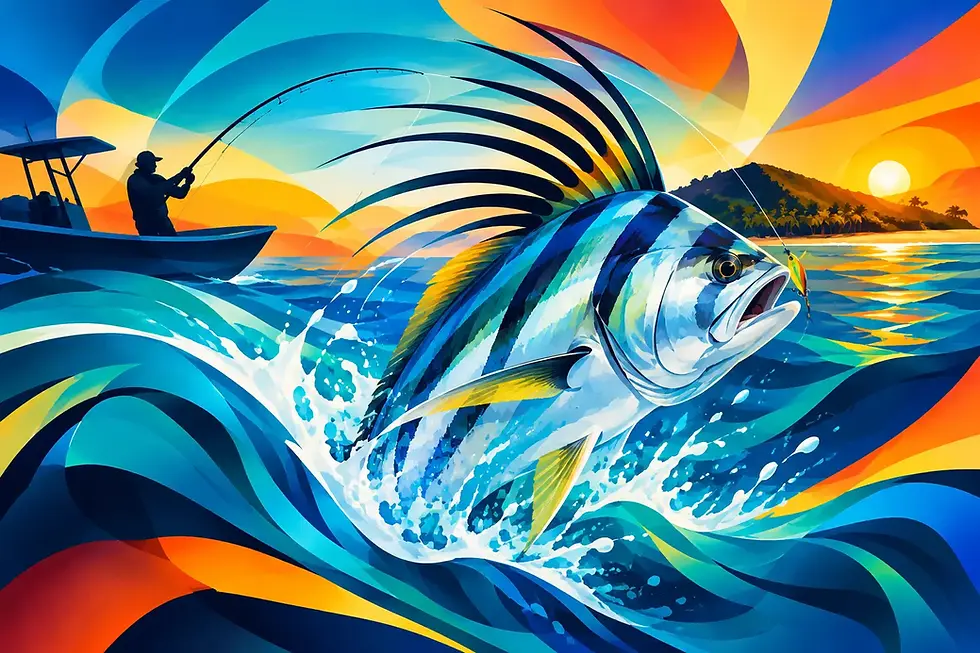
Inshore fishing takes place closer to land, often around reefs, rocky points, and coastal structure. These trips can offer steady action and are especially enjoyable for beginners who want to stay relatively close to shore. Depending on the season and conditions, anglers may encounter species such as roosterfish, snapper, jack crevalle, mackerel, and other hard-fighting Pacific fish.
Offshore fishing means heading farther into open Pacific water in search of pelagic species. This is where the big-water excitement comes in: trolling for sailfish, marlin, mahi-mahi, tuna, and other seasonal visitors. The ride can be longer, and the ocean can feel more active, but offshore fishing delivers the kind of anticipation many visitors picture when they imagine a Costa Rica sport-fishing trip.
There is no wrong choice. If someone in your group is worried about seasickness or has never spent time on a boat, inshore fishing or a shorter trip may be the better first experience. If your group is eager for a bigger offshore adventure and has enough time, the captain can help guide the plan based on the day’s weather, current bite, and sea conditions.
What Your Day on the Water Actually Looks Like
A good charter begins with a simple conversation. Tell the crew who is fishing, whether anyone is new to boating, and what kind of day you hope to have. Maybe your family wants action and photos. Maybe one person dreams of a sailfish while everyone else wants a comfortable ride and a few chances to reel in a fish. That information helps the crew tailor the day.
Once aboard, the captain will review basic boat safety and explain the plan. The crew prepares the rods, bait, tackle, and fishing setup. You will not be handed a pile of gear and expected to figure it out alone. When a fish strikes, the crew will show you where to stand, how to hold the rod, and when to reel, lift, or let the fish run.
For a beginner, the first hookup can feel surprisingly fast and physical. Listen closely, keep your feet planted, and let the crew coach you through it. Big fish do not always come straight to the boat, and that is part of the fun. A patient fight, a few good instructions, and a little teamwork can turn a first-time angler into the hero of the day.
There can also be quiet stretches between bites. That is normal in real sport fishing. Use those moments to enjoy the coastline, watch for dolphins or seabirds, ask the crew about local waters, and take in the fact that you are fishing the Costa Rican Pacific rather than staring at another vacation itinerary.
What to Bring on Your First Charter
The boat provides the fishing equipment and the expertise. Your personal preparation is mostly about staying comfortable under a strong tropical sun. Bring the essentials, but keep it simple:
A hat, polarized sunglasses, and reef-safe sunscreen
Lightweight clothing that can handle sun and sea spray
A light long-sleeve shirt or cover-up for extra sun protection
Any motion-sickness medication you normally use, taken as directed before departure
A phone or camera in a waterproof case, plus any personal snacks or medication you may need
Wear shoes with secure footing rather than loose sandals if possible. Even on calm days, boat decks can get wet. It is also wise to eat a light meal beforehand and drink water. Going out on an empty stomach can make a first boat ride less comfortable.
You Do Not Need to Be Strong to Catch a Fish
Sport fishing is exciting, but it is not a strength contest. Technique, timing, and coaching matter more than brute force. The crew can adjust the setup for different guests and explain how to use the rod and reel efficiently. Children, older adults, and guests with limited fishing experience can all participate when the day is planned around them.
Be honest about comfort levels. If a child is tired, someone needs shade, or the group would rather focus on smaller, more active fish than wait for a trophy bite, say so. A private charter is not a fixed script. It is your time on the water, shaped by what will make the experience enjoyable for your group.
Set Expectations for the Catch, Then Enjoy the Surprise
Fishing is never guaranteed. Seasons shift, water temperature changes, bait moves, and even the most experienced local captain cannot schedule a fish to bite at a certain hour. What expert crews can do is put you in the best available water, use proven local methods, and adjust when conditions call for a different plan.
That uncertainty is what makes every hookup memorable. On one trip, the story may be a child landing a feisty jack. On another, it may be the flash of a mahi-mahi beside the boat or a sailfish release after an unforgettable fight. Ask your crew what has been active recently, but stay open to the day you are given.
For prized sport fish, catch-and-release practices help protect the fishery for future visitors and local anglers. Your crew can explain how photos and releases are handled safely. If you catch a species that is appropriate to keep, ask about the local options for enjoying your fresh catch afterward.
Why a Private Charter Makes First Trips Better
A shared boat can be fun, but a private charter is often the easier choice for beginners traveling together. Your family, friends, or partner are the only guests aboard, which means the pace and priorities belong to your group. There is more room for questions, more flexibility around comfort, and no pressure to match the expectations of strangers.
Samara Deep Sea Fishing offers a choice of dedicated boats and trip lengths, so your crew can help match the outing to your group rather than pushing everyone into one standard experience. That local guidance matters when you are visiting unfamiliar waters and want the day to feel organized from the start.
Before booking, share the number of guests, ages of any children, preferred trip length, and whether your group is leaning inshore or offshore. Mention any concerns about motion sickness, mobility, or fishing experience. A good crew appreciates those details because they make it easier to plan a safer, more comfortable, and more memorable day.
The best first charter is not the one with the most complicated plan. It is the one where your group steps off the boat sun-tired, smiling, and already deciding which fish story to tell first.


Comments