
Inshore Versus Offshore Fishing in Samara

The Pacific off Samara can change character fast. One moment you are casting along a rocky point with the green coastline in view; another, you are running toward blue water where sailfish and mahi-mahi may be feeding. That is why inshore versus offshore fishing is more than a choice between two locations. It shapes your travel time, target species, pace of the day, and the kind of Costa Rica story your group brings home.
For some guests, a few exciting hours close to shore is exactly right. Others have waited years to chase billfish and want every possible hour offshore. A private charter lets your captain help match the trip to your group rather than forcing everyone into the same plan.
Inshore Versus Offshore Fishing: The Main Difference
Inshore fishing takes place closer to the coast, often around beaches, reefs, islands, rocky structure, river mouths, and points. From Samara, that means less time traveling and more time with the shoreline, jungle-covered hills, and coastal wildlife nearby. The water can still be lively and challenging, but the fishing is generally more accessible for families, first-time anglers, and groups booking a half-day adventure.
Offshore fishing heads farther into the Pacific in search of pelagic fish that roam open water. The exact distance changes with seasons, currents, bait, and where fish are feeding that day. Offshore trips usually require more running time, which is why three-quarter-day and full-day charters give anglers a better opportunity to settle into the experience and cover productive water.
Neither choice is automatically better. Inshore fishing can deliver fast, visual action and a great variety of species. Offshore fishing offers the classic big-game anticipation of watching spreads behind the boat and waiting for a powerful strike. The right option depends on what your group wants most from the day.
What You Can Catch Near the Coast
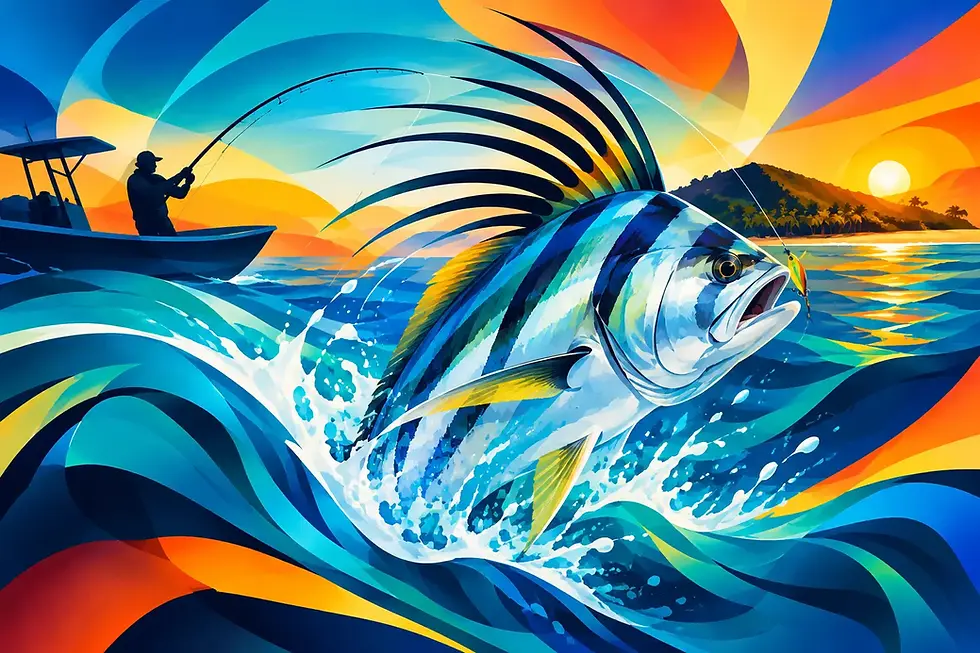
Inshore waters around Samara hold a mix of hard-fighting, colorful fish. Roosterfish are often at the top of many anglers' wish lists, recognized by their striking dorsal fins and memorable runs near structure. Jacks can provide energetic action, while snapper and grouper reward anglers who enjoy fishing around reefs and rocky bottom.
Depending on conditions and the time of year, inshore trips may also bring opportunities for mackerel, bonito, barracuda, needlefish, and other coastal species. The variety is part of the appeal. You may troll along the coast, cast when fish appear, or work promising structure with guidance from the crew.
For beginners, inshore fishing is a comfortable introduction because the captain and mates can keep the action moving without a long ride to the grounds. For experienced anglers, it is a chance to target species that demand accurate presentations, quick reactions, and smart boat positioning. It also suits mixed groups well: someone who has never held a rod can enjoy the scenery and still be part of a genuinely exciting fishing day.
Why inshore works well for shorter charters
A half-day trip is often the natural fit for inshore fishing. You spend less of your charter time traveling, which matters when you are balancing fishing with beach time, a family lunch, surf plans, or a relaxed vacation schedule. Morning trips can be especially appealing for guests who want to be back in Samara before the afternoon heat settles in.
That said, a longer inshore trip is never wasted. A three-quarter-day or full day gives your crew more flexibility to explore several areas, follow bird activity or bait, and stay with a productive bite when it develops.
What Awaits on an Offshore Charter
Offshore fishing is built around open-water species and the possibility of a true Costa Rican sport-fishing moment. Sailfish are a major draw, known for dramatic jumps and long, determined fights. Mahi-mahi bring bright color, fast strikes, and excellent action when conditions line up. Tuna, wahoo, marlin, and other pelagic species may also be part of the offshore picture, depending on the season and what is moving through the area.
The experience feels different from inshore fishing from the first run out. Land fades behind you, the horizon opens, and the crew begins searching for signs that tell a story: birds working, current edges, floating debris, bait schools, water color changes, and reports from nearby boats. This is where local knowledge matters. Fish do not follow a fixed schedule, and your captain is reading the water throughout the day.
Offshore fishing is often the best choice for dedicated anglers, groups celebrating a major occasion, and travelers who picture billfish or mahi-mahi when they imagine fishing in Costa Rica. It can also be a great family adventure when everyone is comfortable with a longer day on the water and understands that offshore fishing includes travel time between opportunities.
Give offshore fishing enough time
A three-quarter-day trip can be a strong option when you want offshore potential but have limited time. For the most flexibility, a full-day charter is usually the better choice. More hours allow the captain to reach farther grounds when needed, respond to changing conditions, and keep fishing during the parts of the day when the bite improves.
A full day also slows the experience down in a good way. There is time to enjoy the ride, learn from the crew, take in the coastline on the return, and stay ready for the fish that may show up later than expected. Offshore fishing involves variables, so extra time gives the day more room to work in your favor.
How to Choose the Right Samara Fishing Trip
Start with your group, not just the fish list. A family with young children, a couple trying fishing for the first time, or friends who want an active morning before exploring town may find inshore fishing ideal. It offers a shorter run, plenty of scenery, and the excitement of fishing close to Costa Rica's beautiful coast.
Choose offshore if the goal is big-game species, open-ocean adventure, and a longer day centered on fishing. It is particularly well suited to anglers who understand that the pursuit is part of the reward. A sailfish may not appear on command, but every hour is guided by a crew working to put you in the best available water.
Sea conditions should be part of the decision, too. Some guests are more comfortable closer to shore, while others are happy to ride farther out. If anyone in your party is concerned about motion sickness, plan ahead and speak with a medical professional about appropriate options before your trip. Eating lightly, staying hydrated, and focusing on the horizon can also help many guests feel better on the water.
Your captain may recommend an approach based on current conditions and recent catch activity. That is not a compromise - it is the advantage of fishing with a local crew. The most successful day is often the one built around what the Pacific is offering now, rather than a rigid plan made weeks earlier.
What Stays the Same on Both Trips
Whether you fish inshore or offshore, a private charter keeps the day focused on your group. Your crew handles the boat, gear, bait, and on-the-water guidance, so beginners can get started with confidence and experienced anglers can concentrate on the fishing. You do not need to arrive as an expert to enjoy a real sport-fishing experience.
Both options also deliver more than a catch. Keep an eye out for dolphins, sea turtles, birds, and the changing colors of the Pacific. Ask questions when the crew rigs a bait, identifies a fish, or changes course toward activity. Those small moments often become the details people remember long after the vacation ends.
Samara Deep Sea Fishing can help you choose among half-day, three-quarter-day, and full-day private charters aboard Sueltalo, J-lee Fish, or Ballyhoo. The best boat and trip length depend on your group size, comfort level, fishing goals, and the conditions expected during your stay.
Bring the goal that matters most - a first fish, a roosterfish photo, a sailfish release, or simply a great day together on the Pacific - and let the local conditions guide the rest.


Comments