
What to Expect From Guided Fishing Trips in Samara

The Pacific off Samara can change quickly - calm water, moving bait, birds working the surface, and a fish striking when nobody expects it. That is exactly why guided fishing trips make so much sense for a Costa Rica vacation. You get the excitement of real sport fishing without spending your beach week trying to learn unfamiliar waters, find the right launch point, or guess which technique belongs on the line.
A private charter gives your group a day built around your experience, your schedule, and the kind of fishing you want to try. For some guests, that means a relaxed half-day with the family and plenty of time left for the beach. For others, it means heading farther offshore with a serious goal in mind. Either way, a local crew helps turn a day on the water into one of those vacation stories everyone keeps telling after they get home.
Why Guided Fishing Trips Are Worth It in Samara
Fishing in a new destination is exciting, but it comes with variables that are hard to read from shore. Water conditions, currents, seasonal fish movement, bait, and weather all influence the plan. An experienced local captain is watching those details before the boat leaves and adjusting throughout the trip.
That local knowledge is the real advantage. Your crew knows when it makes sense to troll open water, work structure closer to shore, change baits, or move to a different area. You do not have to arrive with a tackle plan or a background in offshore fishing. You can ask questions, learn as you go, and focus on the moment when the rod bends.
Guided trips are also a practical choice for mixed groups. Maybe one person has chased billfish for years while another has never held a conventional reel. A good crew can keep experienced anglers involved while making first-timers feel comfortable. Everyone has a role, and everyone gets a clear explanation of what is happening.
Choose the Charter Length That Fits Your Day
The best trip length is not always the longest one. It depends on who is joining you, how much of your vacation you want to spend on the water, and whether your priority is variety, time offshore, or simply a memorable first experience.
Half-day trips for a first taste of the Pacific
A half-day charter is often a great fit for families with younger kids, couples, and groups planning around lunch, surf lessons, or an afternoon at the beach. It gives everyone enough time to settle into the rhythm of the boat, learn from the crew, and fish productive local waters without committing an entire day.
Shorter trips can be especially enjoyable for first-time anglers. The goal is not to cram every possible technique into a few hours. It is to have fun, stay comfortable, and give your group a real chance to connect with the fishing.
Three-quarter-day trips for more flexibility
A three-quarter-day option creates more room to follow the fishing. If conditions point toward a longer run, there is time to make it. If the bite develops later in the morning, you are not watching the clock quite as closely. This length is a strong middle ground for travelers who want a fuller offshore experience but still prefer to be back in Samara before the day is over.
Full-day trips for dedicated anglers
Full-day fishing charters are the choice for guests who want maximum time on the Pacific. More time can mean more opportunities to cover water, work different areas, and adapt to what the day provides. It does not guarantee a particular catch - wild fishing never works that way - but it gives committed anglers the best chance to pursue the day’s possibilities.
For groups with experienced fishermen, a full day also allows a more focused conversation with the captain about targets, tactics, and conditions. If your vacation schedule permits it, this is the format that makes room for patience and persistence.
Inshore or Offshore Fishing? Start With Your Group
One of the first decisions is whether your day should lean inshore, offshore, or combine both when conditions and timing allow. The answer should come from what your group wants, not from a one-size-fits-all idea of the “best” trip.
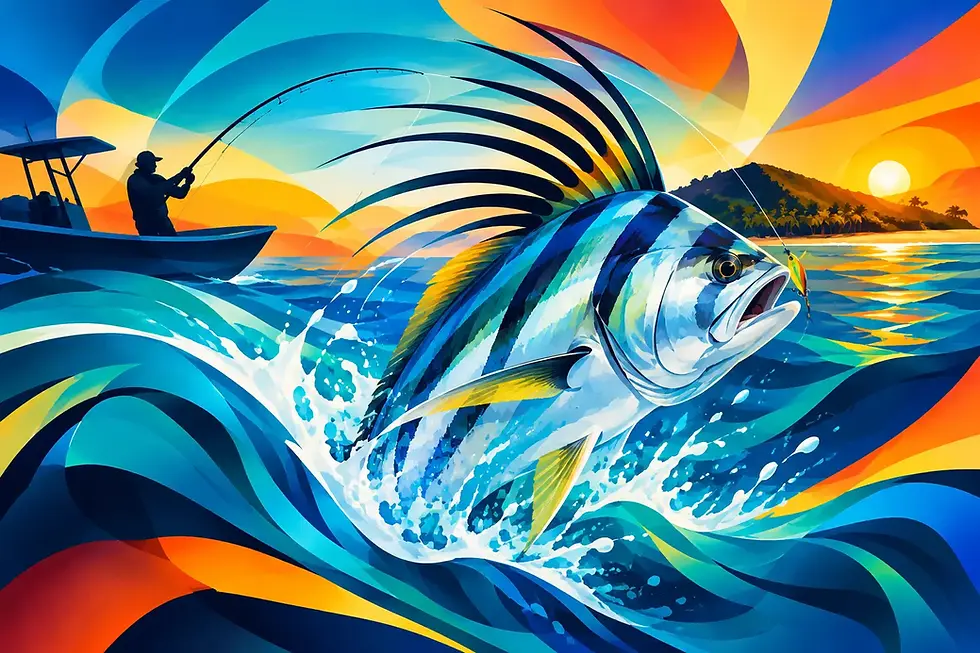
Inshore fishing keeps you closer to the coast, where changing shoreline structure and nearshore waters can produce fast action. It is a terrific choice for families, newer anglers, and guests who enjoy seeing the coastline as part of the experience. Depending on the season and conditions, anglers may encounter species such as roosterfish, jacks, snapper, or mackerel.
Offshore fishing is about open Pacific water, trolling spreads, and the anticipation of a powerful strike far from land. This is the style many dedicated sport-fishing guests picture when they plan Costa Rica fishing. Offshore possibilities vary through the year and can include mahi-mahi, tuna, sailfish, and marlin among other pelagic species.
There is no wrong choice, but there are trade-offs. Inshore fishing can provide a more comfortable, scenic option with less travel time. Offshore fishing may require a longer ride and more patience, yet it can deliver the wide-open feeling and larger-game pursuit that serious anglers came for. Tell the crew what matters to your group, and let the day’s conditions guide the final plan.
What Your Local Crew Handles
A guided charter removes the details that can make independent fishing feel complicated. Your captain and crew prepare the boat, select the equipment, rig baits, monitor the water, and help each guest understand what to do when a fish bites. If you are new to fishing, they will talk you through the basics without making it feel like a lesson in a classroom.
When the action starts, clear direction matters. Your crew will show you how to hold the rod, manage the reel, follow the fish, and work as a team around the boat. They are there for the quick moments too: getting the line back out, changing a lure, spotting activity, and keeping the day moving.
A private charter also means your group is not sharing the boat with strangers. You can celebrate every hookup, take photos at your pace, and fish with the people you traveled with. Samara Deep Sea Fishing offers that private experience across a multi-boat fleet, with options designed for different group sizes and trip lengths.
How to Arrive Ready for a Better Day
You do not need a complicated packing list. Wear sun-protective clothing, bring sunglasses and a hat, and use sunscreen. A light layer can be useful early in the morning or during the ride out. Comfortable non-slip footwear is a smart choice, and guests who are prone to motion sickness should consider planning ahead with advice from a medical professional.
Bring a sense of flexibility as well. Fishing is not a scripted attraction. Some days the first bite comes quickly; other days the crew changes course, changes baits, and keeps working until the right opportunity appears. That uncertainty is part of what makes a catch feel earned.
Before departure, be honest about your group’s needs. Let the crew know if you are traveling with children, have first-time anglers, want to prioritize a certain style of fishing, or have someone concerned about the ride. Those details help the captain recommend the right charter length and set expectations from the start.
The Catch Is Only Part of the Experience
A successful guided fishing day is not measured only by a trophy photo. It can be a child watching flying fish skip across the wake, a couple seeing the Samara coastline from a new angle, or a group of friends laughing through a missed strike before the next line goes tight. The ocean provides the surprises, and a capable local crew gives those moments a place to happen safely and confidently.
If a particular catch is your goal, communicate it. If your priority is a fun private adventure for everyone, say that too. The best charter is the one shaped around the people on board, the conditions on the water, and the willingness to enjoy whatever the Pacific brings that day.
When you are choosing an activity for your Samara stay, leave room for a morning when the coast disappears behind the boat, the lines go out, and your group gets to see what is moving beneath that blue horizon.


Comments